

A New Homeowner's Guide to Scheduling Boiler Maintenance
Buying a home comes with many responsibilities, and maintaining the heating system is one of the most important tasks to add to your routine. If your property has a boiler, regular maintenance can help keep your home comfortable, support efficient operation, and reduce the likelihood of unexpected heating problems. Understanding when to schedule service and what to expect during an appointment can make boiler care easier to manage.
For new homeowners, establishing a maintenance schedule early is a practical way to protect your heating equipment and prepare for colder weather. Knowing the warning signs of potential problems and when to seek professional HVAC repair can also help you address concerns before they become more disruptive.
Understanding When to Schedule Boiler Maintenance
Schedule an Annual Boiler Inspection Before Winter
The best time to schedule boiler maintenance is typically during the late summer or early fall, before temperatures begin to drop. Scheduling service before the heating season gives a qualified technician time to inspect the system, identify developing issues, and address necessary repairs before your household depends on consistent heat. Waiting until the first cold spell can make scheduling more difficult, particularly when many homeowners are requesting heating services at the same time.
Annual maintenance is beneficial even if your boiler appears to be working normally. Some problems develop gradually without obvious symptoms, and a professional inspection can reveal concerns that may otherwise go unnoticed. A technician can evaluate the system's operating condition, inspect important components, and recommend any adjustments or repairs needed to support reliable performance.
Consider Your Boiler's Age and Operating Condition
Your boiler's age can influence how frequently you need professional attention beyond routine annual service. According to This Old House, boilers generally approach the end of their expected lifespan at around 20 years. Even when breakdowns are uncommon, declining efficiency can cause an older unit to consume more fuel and increase household heating expenses. This makes periodic assessments especially important as equipment ages.
An older boiler does not automatically require replacement, but it deserves careful evaluation. An HVAC repair technician can assess its condition, identify worn components, and explain whether repairs are likely to remain practical. If the system requires increasingly frequent service or struggles to maintain comfortable temperatures, discussing replacement options may help you make an informed decision before a major failure occurs.
Recognize Signs That Your Boiler Needs Attention
Although annual maintenance should remain part of your household routine, certain symptoms warrant an earlier appointment. Uneven heating, unusual noises, visible leaks, and repeated changes in system pressure can indicate problems that need professional evaluation. If some rooms remain cold while others feel comfortable, a technician can investigate whether the issue involves the boiler, circulation, or another part of the heating system.
Changes in energy bills can also provide clues about equipment performance. If your heating costs increase without a clear explanation, your boiler may be operating less efficiently or working harder to meet your home's heating needs. Professional HVAC repair can help identify the source of the problem and determine which corrective measures are appropriate.
Preparing for Your Boiler Maintenance Appointment
Gather Information About Your Heating System
Before your appointment, collect any information you have about the boiler, including its manufacturer, model, approximate age, and previous service records. This information can help the technician understand the equipment's history and identify maintenance recommendations that fit its condition. If you do not have these details, do not worry. A professional can generally identify the relevant equipment information during the visit.
It is also helpful to make a note of any performance changes you have observed. Record when unusual noises occur, whether certain rooms take longer to warm up, or whether the boiler has had repeated adjustments. Providing specific details can help the technician narrow down potential causes and determine which areas deserve closer inspection.
Understand What Professional Maintenance Includes
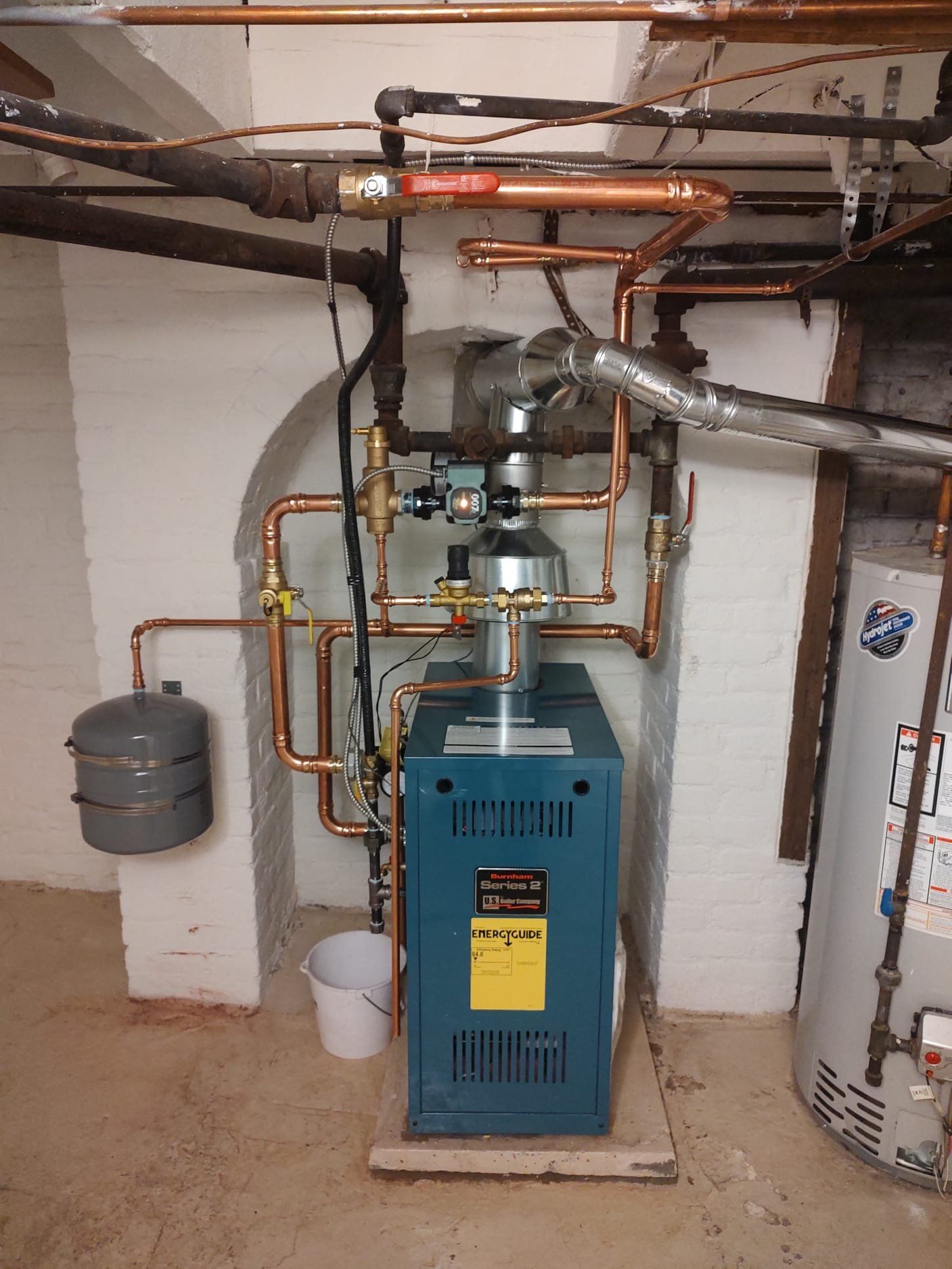
A professional HVAC repair or maintenance visit typically involves an inspection of the boiler's overall condition, operating performance, and essential safety features. Depending on the equipment type and manufacturer recommendations, the technician may examine burners, ignition components, electrical connections, controls, circulation components, and visible piping. The goal is to identify developing problems and confirm that the system is operating as intended.
The technician may also check for leaks, inspect venting where applicable, assess system pressure, and clean components that require attention. Specific procedures vary depending on whether your home uses a gas, oil, or electric boiler and whether the system provides heat through radiators, baseboards, or radiant flooring. Following equipment-specific maintenance guidance helps ensure the service addresses the boiler's actual requirements.
Maintaining Your Boiler Between Professional Visits
Monitor Performance Throughout the Heating Season
Professional maintenance is essential, but homeowners can also monitor their heating systems between appointments. Pay attention to whether the boiler maintains consistent temperatures, starts and stops as expected, and provides adequate heat throughout the house. Noticing changes early can help you arrange service before a minor concern develops into a more significant interruption.
You should also familiarize yourself with the boiler's normal operating settings and the manufacturer's basic care instructions. Check any homeowner-accessible pressure gauge or display only as directed by the manufacturer, and avoid changing unfamiliar settings. If a reading falls outside the recommended range or changes repeatedly, contact a qualified technician for guidance rather than attempting an adjustment without understanding its purpose.
Keep Track of Repairs and Maintenance Costs
Maintaining a written service record makes it easier to manage your boiler over time. After each appointment, save the technician's findings, the date of service, completed repairs, and any recommendations for future work. These records can help you recognize recurring issues and provide useful background when a different technician evaluates the equipment.
When comparing estimates for HVAC repair, ask for a clear explanation of the work included, the parts required, and any applicable labor warranties. The lowest initial price is not necessarily the best value if the proposed work does not address the underlying problem. A detailed estimate can help you compare options and make a decision based on the boiler's condition and your household's needs.
Know When to Request Emergency Service
Routine maintenance helps reduce the likelihood of unexpected problems, but it cannot eliminate every risk of equipment failure. If your boiler stops producing heat during cold weather, begins leaking significantly, or develops an unusual operating condition, contact a qualified heating professional to determine the appropriate response. Some providers offer emergency services when urgent problems cannot wait for a standard appointment.
When the situation does not present an immediate safety threat, describe the symptoms clearly when requesting HVAC repair. Explain when the issue began, whether the boiler still produces heat, and whether you have noticed leaks, unusual sounds, or other changes. This information can help the service provider determine the urgency of the visit and prepare for the assessment.
Scheduling boiler maintenance is an important responsibility for new homeowners who want to keep their properties comfortable throughout the heating season. Arrange an annual inspection before winter, monitor the system for changes, and maintain records of professional service and repairs. By understanding your boiler's needs and knowing when to request HVAC repair, you can make informed decisions about your heating system and address problems before they become more disruptive.
Schedule boiler maintenance with Robert's Heating & Air Conditioning of Virginia to keep your heating system operating safely and efficiently throughout the winter!
Share On: